


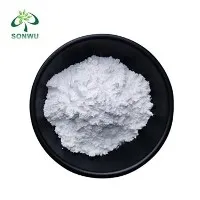

Evodiamine belongs to the class of alkaloids, which are organic compounds containing basic nitrogen atoms. Its chemical structure is characterized by a tetracyclic quinazoline nucleus with an unsaturated lactam ring. The molecular formula of evodiamine is C19H17N3O, and its systematic name is (R)-(+)-evodiamine.

The primary natural source of evodiamine is the fruit of Evodia rutaecarpa, commonly known as Wu-Chu-Yu. This plant has a long history of traditional use in Chinese medicine, where it is believed to have various health-promoting properties.
1. Anti-Inflammatory Effects: Evodiamine has demonstrated anti-inflammatory properties by modulating the activity of inflammatory mediators such as cytokines and prostaglandins. This makes it a potential candidate for conditions characterized by chronic inflammation, although further research is needed to establish its efficacy.
2. Anti-Cancer Activity: Some studies suggest that evodiamine may possess anti-cancer properties. It has been shown to induce apoptosis in various cancer cell lines, making it a subject of interest for cancer research. However, the specific mechanisms underlying its anti-cancer effects require more exploration.

3. Thermogenic Properties: Evodiamine has been researched for its possible job in advancing weight reduction and increasing energy expenditure. It is believed to stimulate the activation of brown adipose tissue, which plays a very important role in thermogenesis. This property has led to the inclusion of evodiamine in some weight loss supplements, although more studies are needed to confirm its effectiveness.
4. Cardiovascular Benefits: Research suggests that evodiamine may have cardiovascular benefits. It has been reported to exhibit vasodilatory effects, potentially contributing to improved blood flow. Additionally, some studies indicate that it may help regulate blood pressure and cholesterol levels.

5. Neuroprotective Effects: Evodiamine has shown promise in protecting nerve cells from damage. It may have neuroprotective effects against conditions such as Alzheimer's disease and Parkinson's disease, although further research is required to validate these potential benefits.
1.Anti-Inflammatory Support: Chronic inflammation is implicated in various health conditions, counting immune system illnesses and metabolic issues. Evodiamine's anti-inflammatory effects may offer support in managing inflammation-related diseases, although more clinical studies are needed.
2. Cardiovascular Health: The vasodilatory and blood pressure-regulating effects of evodiamine make it a candidate for promoting cardiovascular health. It may contribute to improved circulation and potentially reduce the risk of cardiovascular diseases.
3. Weight Management: Due to its thermogenic properties, evodiamine has been explored as a potential aid in weight management. Some studies suggest that it may help in reducing body weight and fat accumulation, making it of interest to those seeking non-traditional approaches to weight loss.

4. Cancer Prevention: While the anti-cancer properties of evodiamine are still under investigation, early studies suggest its potential in preventing the growth of cancer cells. However, it is crucial to approach this area with caution, as more comprehensive research is needed to establish its efficacy and safety.
5. Neurological Support: The neuroprotective effects of evodiamine raise the possibility of its use in supporting neurological health. It may be explored as a therapeutic agent for conditions associated with nerve cell damage, but further clinical trials are necessary to validate these potential benefits.
While evodiamine shows promise in various therapeutic areas, its safety profile requires careful consideration. Limited human studies and potential interactions with medications insist on the significance of consulting with medical professionals before incorporating evodiamine supplements into one's regimen. Additionally, the long-term effects and optimal dosage for specific health conditions need further exploration.
Evodiamine, derived from the fruit of Evodia rutaecarpa, is a natural alkaloid with diverse pharmacological properties. While its potential benefits in weight management, anti-inflammation, cardiovascular health, and cancer prevention are intriguing, more extensive research is essential to establish its efficacy and safety in humans. As with any natural compound, a cautious and evidence-based approach is necessary when considering evodiamine for therapeutic purposes. Future studies may unveil its full potential and pave the way for the development of novel treatments or supplements harnessing its beneficial properties.